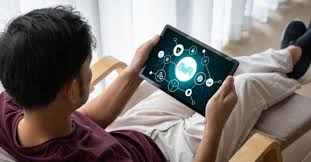
Mental health care has evolved significantly over the past decade. What was once limited to in-person therapy sessions and handwritten progress notes now includes wearable devices, mobile apps, and secure digital platforms that help clinicians monitor patient progress in real time. Digital monitoring tools are reshaping how care is delivered — not by replacing traditional treatment models, but by enhancing them.
From outpatient therapy to residential programs, technology is helping providers make more informed decisions while giving patients greater insight into their own progress.
What Is Digital Monitoring in Behavioral Health?
Digital monitoring refers to the use of technology to track mental health symptoms, behaviors, and treatment progress. This can include:
- Mood tracking apps
- Wearable devices that measure sleep and heart rate
- Secure patient portals for symptom reporting
- Remote check-ins through telehealth platforms
These tools provide ongoing data between therapy sessions, offering a more complete picture of a person’s mental and emotional state. Instead of relying solely on weekly conversations, clinicians can review patterns over time — such as disrupted sleep, increased anxiety markers, or mood fluctuations.
In many cases, this data helps identify potential concerns before they escalate.
How Wearables and Apps Support Treatment
Consumer health technology has become increasingly sophisticated. Smartwatches and fitness trackers now monitor heart rate variability, physical activity, and sleep cycles — all of which can be relevant to mental health.
For example:
- Changes in sleep patterns often correlate with depression or anxiety
- Elevated heart rate variability may signal stress
- Reduced activity levels can indicate withdrawal or low mood
When integrated into treatment planning, this information can help clinicians adjust interventions more quickly. A therapist may notice that a patient’s sleep has declined over two weeks and proactively explore potential triggers.
Apps designed specifically for mental health can also prompt users to log emotions, practice coping strategies, or complete cognitive behavioral exercises. These tools reinforce therapeutic work outside of formal sessions.
Digital Monitoring in Structured Care Settings
While digital tools are often associated with outpatient care, they are increasingly used in structured environments as well. In residential treatment centers, technology can be used to document daily progress, track medication adherence, and monitor behavioral patterns within a controlled setting.
This combination of in-person care and digital tracking offers several benefits:
Improved Clinical Accuracy
Real-time documentation allows care teams to observe patterns across shifts and providers. Instead of fragmented notes, integrated systems provide a unified view of each resident’s progress.
Faster Intervention
When concerning changes appear, such as sleep disruption or escalating emotional distress, staff can respond immediately. Early intervention is especially important in higher levels of care.
Better Care Coordination
Many residential programs work with outside therapists, psychiatrists, and families. Secure digital platforms allow for appropriate information sharing while maintaining privacy standards.
Digital tools do not replace face-to-face therapeutic interaction. Instead, they support it by creating a more complete and continuous record of care.
Privacy and Ethical Considerations
With increased data collection comes the responsibility to protect patient privacy. Behavioral health providers must comply with federal privacy laws and ensure secure storage of digital information.
Key considerations include:
- Encrypted data systems
- Limited access controls for staff
- Transparent patient consent for monitoring tools
- Clear communication about how data is used
Patients should understand what is being tracked, why it matters, and how it supports their treatment goals. Ethical implementation requires collaboration, not surveillance.
When Digital Monitoring Is Most Effective
Digital monitoring works best as a supplement to clinical judgment, not a substitute for it. Technology can highlight trends, but it cannot fully interpret context, personal history, or emotional nuance.
In lower-acuity outpatient settings, digital tools may help individuals stay accountable and engaged between sessions. In higher-acuity environments, such as residential care, monitoring systems help maintain safety and provide structured oversight.
The level of monitoring typically depends on several factors:
- Severity of symptoms
- Risk level
- Treatment goals
- Need for medication management
- History of relapse or crisis
As care becomes more personalized, digital tools allow treatment teams to tailor support based on objective patterns rather than assumptions alone.
The Future of Data-Informed Mental Health Care
As artificial intelligence and predictive analytics continue to develop, digital monitoring may become even more proactive. Systems could flag potential warning signs before they are visible to patients or providers. Early identification could reduce hospitalizations and improve long-term outcomes.
At the same time, the core elements of effective mental health treatment remain unchanged: human connection, trust, and structured support. Technology works best when it strengthens these foundations rather than replacing them.
Digital monitoring represents a shift toward more responsive, data-informed care. Whether used in outpatient therapy or integrated into residential programs, it offers clinicians new tools to understand patterns, respond quickly, and coordinate treatment more effectively.
As the behavioral health field continues to adopt responsible innovation, the balance between technology and human care will remain central. When thoughtfully applied, digital monitoring can enhance safety, accountability, and long-term recovery outcomes — while keeping patients at the center of the process.