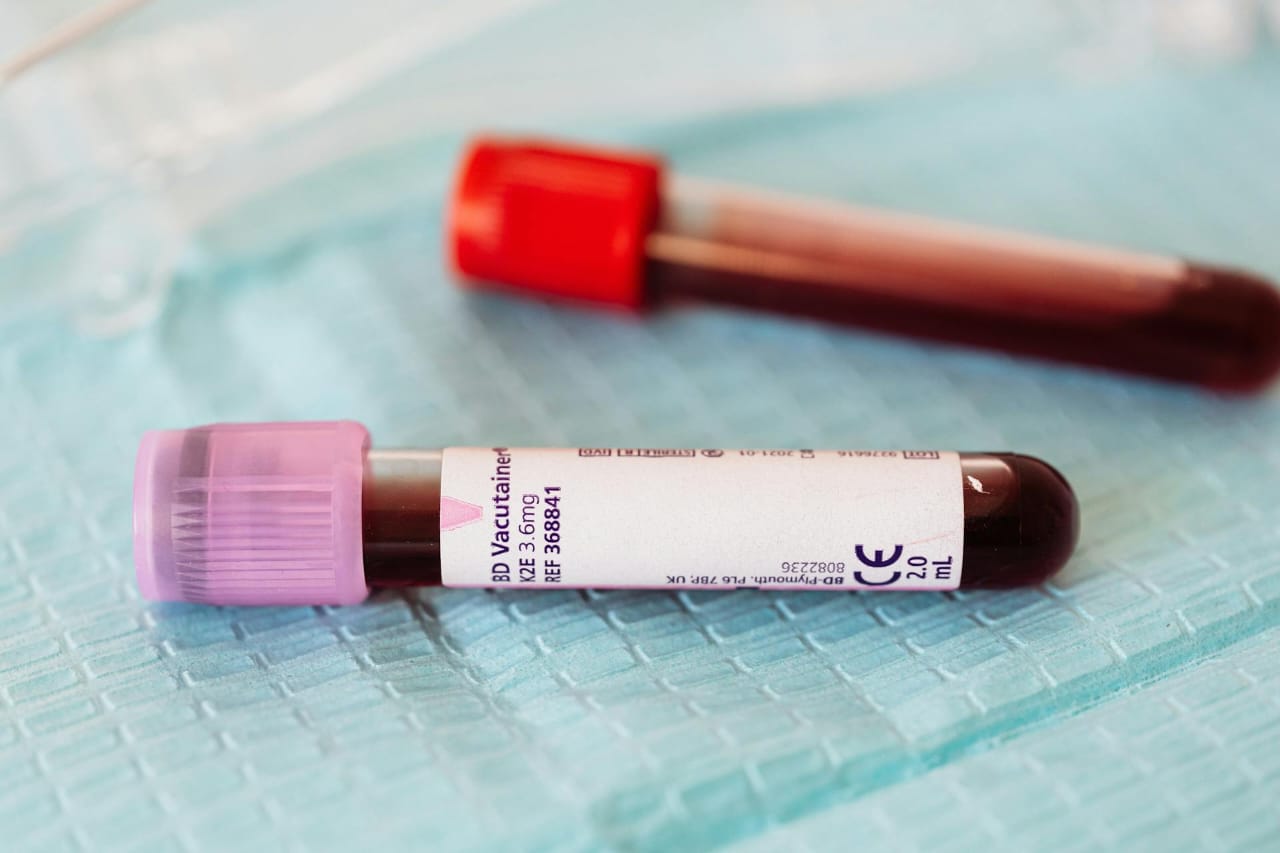
When doctors suspect a patient’s kidneys aren’t working correctly, they typically order a BUN test. As the name suggests, this test measures the amount of this substance present in the bloodstream to determine whether the kidneys and liver are functioning correctly. What is blood urea nitrogen, and why is it important?
Urea Nitrogen
The body naturally produces urea nitrogen. This waste product is created in the liver. Urea nitrogen moves through the bloodstream to the kidneys, which then filter the waste before it is eliminated in urine. A minuscule amount remains in the blood when the kidneys are functioning correctly. If the BUN level is high, it indicates an issue with either the kidneys or the liver. When do doctors typically request blood urea nitrogen information, and why?
Testing Blood Urea Nitrogen

Medical professionals frequently order this test at a patient’s yearly physical. They include this with a comprehensive metabolic panel or basic metabolic panel test. People with known kidney conditions may have their BUN levels tested more frequently. Individuals who have been hospitalized may find that doctors order a BUN test as well.
Anyone who has or has had a family member with kidney disease may have their blood urea nitrogen level tested more frequently. The same holds for individuals with heart disease, diabetes, or hypertension. Doctors went to ensure the kidneys are functioning correctly, as they are at risk of complications from these medical conditions.
If a person notices a change in the frequency of their urination or discovers that their urine is discolored, bloody, or foamy, they should alert their doctor. Pain during urination and mid-back pain around the kidneys also indicate that an individual needs to be seen by their doctor. People who frequently experience fatigue may have underlying kidney issues. A visit to the doctor can determine what is going on. Furthermore, anyone with swelling in the extremities, face, or abdomen should be seen by their doctor to learn why they are retaining water or what is going on.
Preparing for the BUN Blood Test
Individuals want to know if they need to do anything before having a BUN test. Doctors will need to take a complete medical history and learn which medications a person is taking before completing this test. Men and women who are only having this test can follow their regular diet. Individuals who will be having this test in conjunction with other tests may find they need to fast. The doctor will provide this information ahead of time.
How is the Test Performed?
When a person arrives for their BUN test, the lab technician cleans the area before taking blood from a vein in the hand or arm. A person can return to their normal activities immediately following the test, although they may feel a minor soreness. The doctor sends this sample to a lab. The lab analyzes the blood and sends a report to the doctor. The patient should expect results within a week.
BUN Test Risks
A person might worry that there are risks associated with having a BUN test. Most people experience mild side effects, if any. Light bleeding at the site is common, and some people have pain and bruising at the spot where the needle entered the skin. In rare cases, the site may become infected.
Test Results
Normal BUN levels typically range from 7 to 20 mg per deciliter. However, normal is dependent on the person’s age and sex. An abnormal BUN test result doesn’t automatically mean there is a problem with the kidneys or liver. A person should always work with their doctor to interpret the results and determine if further action is needed.
Individuals following a high-protein diet may have a BUN level outside the normal range. Dehydration can lead to a skewed result, as can burns. Certain medications can affect a person’s level, and a pregnant woman may find that her BUN level fluctuates. It will often return to the normal range following delivery of the baby.
Gastrointestinal bleeding can lead to a BUN level outside the normal range; individuals who have had a heart attack may find that their BUN level is off. Anyone with a blockage in the urinary tract might discover they are no longer able to urinate, which impacts their BUN level. A person’s age can also play a role in a BUN level outside the normal range.
A few people find that their BUN levels are low. Individuals with a small body may find that their level is lower than usual, and that is standard for them. However, a low BUN level could also indicate overhydration, liver disease, or malnutrition. The doctor will need to investigate further to learn the underlying cause of this low level.
Additional Tests
When a person’s level is outside the normal range, the doctor may order additional tests to determine if the kidneys are functioning correctly and why this level is off. Doctors also measure kidney health using a creatinine test. They use the BUN/creatinine ratio to compare the results. A high creatinine level indicates there are excess waste products in the kidneys.
Doctors look for a BUN to creatinine ratio between 10:1 and 20:1. If the ratio falls above this range, the kidneys may not be getting ample blood flow due to congestive heart failure, dehydration, or gastrointestinal bleeding. If the results fall below 10 to 1, the doctors will do further investigation to see if the patient is suffering from liver disease or malnutrition.
Another test that may be ordered is the glomerular filtration rate test. This test is used to determine how well the kidneys remove waste from the blood. Doctors use this test to determine a patient’s kidney function. If the number is very low, the patient is likely in kidney failure and will need dialysis or a kidney transplant.
Patient should ask their doctor about the BUN test at each yearly check-up. The doctor will determine the next steps if the test results fall outside the normal range. With their help, the proper treatment can be found.