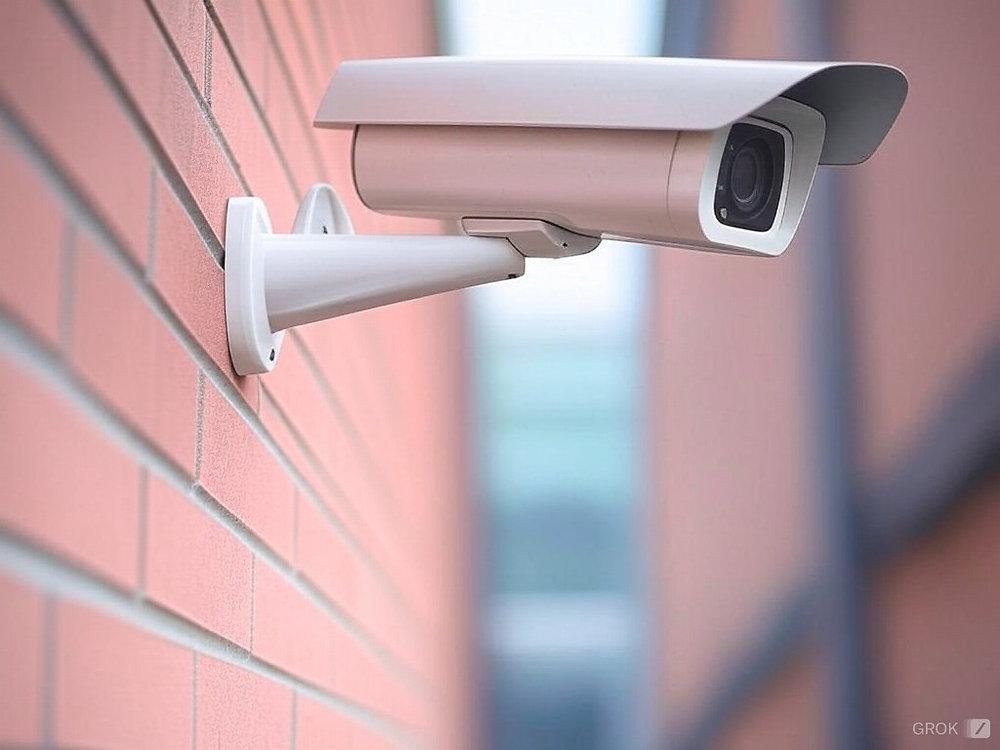
IP camera and CCTV systems have evolved far beyond simple recording tools. By 2026, organisations expect surveillance software to deliver actionable insight, scale reliably, and operate with minimal manual oversight. The competitive edge is no longer camera count. It is intelligence, stability, and operational clarity.
This article explains how modern IP camera and CCTV software is built, where AI genuinely adds value, and which architectural choices determine long-term success.
Key Takeaways
- AI should reduce operator workload, not generate more noise.
- Stability and uptime matter more than experimental features.
- Selective inference outperforms always-on analysis.
- Scalable storage and retrieval are as important as detection accuracy.
- Security and access control must be first-class system components.
What modern CCTV software is expected to do
In production environments, CCTV platforms must support:
- reliable live monitoring across many cameras
- consistent recording and retention policies
- fast search and investigation workflows
- alerting that highlights meaningful events
- secure access for different user roles
These expectations have shifted CCTV software from hardware-adjacent tooling into full video management software platforms with complex operational requirements.
Where AI adds real value in surveillance systems
AI delivers value when it improves decision-making speed and accuracy.
Effective use cases include:
- detecting unusual motion patterns
- identifying objects entering restricted zones
- highlighting anomalies rather than constant activity
- summarising long review sessions into key moments
This aligns closely with video anomaly detection software patterns, where the goal is fast identification of exceptions, not continuous classification.
AI systems that attempt to label everything tend to overwhelm operators and infrastructure alike.
Architecture choices that scale
Surveillance systems fail at scale when architecture is treated as an afterthought.
Edge, cloud, or hybrid processing
- Edge processing reduces bandwidth and improves responsiveness.
- Cloud processing simplifies management and analytics.
- Hybrid approaches balance performance and scalability.
Most large deployments use hybrid designs, applying lightweight filtering at the edge and deeper analysis centrally.
Teams implementingai video processing often find that early filtering dramatically reduces downstream cost and latency.
Selective inference as the default mode
Running AI inference on every frame from every camera is rarely sustainable.
Production systems typically use:
- motion-triggered analysis
- region-of-interest rules
- time-based sensitivity profiles
- adaptive frame sampling
These approaches preserve responsiveness while keeping compute costs predictable.
Storage and retrieval strategies
Video storage quickly becomes the largest cost driver in CCTV systems.
Effective platforms implement:
- tiered storage for hot, warm, and cold footage
- metadata indexing for fast search
- configurable retention by camera or location
- efficient clip extraction for investigation and evidence
Storage design should support investigation workflows, not just compliance requirements.
Security and access control
Surveillance data is sensitive by nature. Platforms must enforce:
- role-based access control
- detailed audit logging
- encrypted transmission and storage
- secure camera onboarding and credential rotation
Security is not optional. It is a core feature that directly affects adoption and compliance outcomes.
This is whyCCTV software development must be approached with the same rigor as enterprise software systems, not as a peripheral IT tool.
Operational visibility and reliability
CCTV platforms operate continuously. Downtime is not acceptable.
Operational requirements include:
- health monitoring per camera and stream
- alerting for ingestion failures
- visibility into processing backlogs
- controlled degradation under load
Systems must remain usable even when AI components are constrained or temporarily disabled.
Common mistakes in IP camera and CCTV platforms
- enabling AI everywhere without clear objectives
- overwhelming operators with low-confidence alerts
- underestimating storage growth and retrieval cost
- treating security as a deployment concern rather than a design principle
- failing to plan for heterogeneous camera hardware
These mistakes compound as camera counts grow.
Measuring success in surveillance systems
Beyond uptime, meaningful metrics include:
- reduction in manual review time
- alert precision and relevance
- investigation time per incident
- system stability during peak load
- total cost per monitored camera
These indicators reveal whether the platform delivers operational value.
Conclusion
IP camera and CCTV software in 2026 succeeds by being reliable, selective, and secure. AI enhances surveillance only when it is tightly scoped, measurable, and operationally safe.
Platforms that prioritise stability, efficient storage, and intelligent alerting build trust with operators and scale effectively. In modern surveillance, intelligence is an advantage only when it simplifies work rather than complicating it.