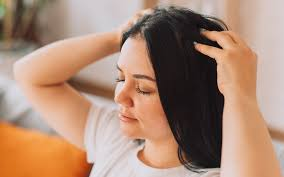
The effectiveness of any massage is influenced by when it occurs in your daily rhythm. Our bodies operate on circadian cycles that regulate hormones, alertness, and recovery patterns. Aligning your 출장마사지 session with these natural rhythms can significantly enhance relaxation outcomes.
The After-Work Decompression Strategy
Booking an outcall massage within one to two hours after finishing work can help transition your body from “performance mode” to “recovery mode.” During high-pressure work hours, stress hormones like cortisol and adrenaline remain elevated. A massage shortly after work supports circulation and encourages the nervous system to shift toward parasympathetic dominance—the state responsible for rest and recovery.
One of the major advantages of 출장마사지 is that it eliminates the need to commute to a spa. Traveling through traffic after a relaxing session can re-stimulate stress responses. By receiving the massage at home or in your hotel room, you preserve the relaxed state longer and allow your body to fully unwind.
The Pre-Sleep Reset Strategy
If stress manifests as insomnia, racing thoughts, or shallow breathing at night, scheduling a hotel or home outcall massage between 9:00 PM and 10:30 PM can be especially beneficial. Gentle, rhythmic techniques such as Swedish-style strokes promote deep relaxation and muscle release.
While massage does not directly “produce” melatonin, it supports the body’s natural sleep cycle by calming the nervous system and reducing mental stimulation. Many clients report falling asleep more easily and experiencing deeper rest after an evening session. Over time, this can contribute to a lower baseline stress level the following day.
Targeting the Body’s “Stress Anatomy”
Stress is not just psychological—it embeds itself physically in specific muscle groups. To maximize the benefits of your 출장마사지, it is essential to guide your therapist toward these high-tension zones.
The Neck and Suboccipital Region
When under stress, most people unconsciously elevate their shoulders. This tightens the trapezius and the muscles at the base of the skull, often leading to tension headaches and stiffness. Focused techniques such as myofascial release and sustained pressure in this region can significantly reduce discomfort.
Releasing tension in the cervical area sends calming signals to the nervous system. Many clients experience immediate reductions in shoulder tightness and a noticeable sense of mental clarity after this area is addressed.
The Chest and Diaphragm
Chronic stress frequently results in shallow chest breathing. Tight pectoral muscles pull the shoulders forward and restrict the ribcage, limiting deep diaphragmatic breathing. This perpetuates the body’s “fight or flight” response.
Requesting gentle work around the chest and intercostal muscles can help open the upper body. As breathing deepens naturally, the body shifts toward relaxation mode. Improved breathing patterns alone can dramatically enhance the stress-relief effects of your massage session.
Optimizing Your Environment for Deeper Relaxation
One of the most powerful benefits of 출장마사지 is environmental control. Unlike a spa setting, you can prepare your own space for optimal comfort and minimal stimulation.
Light and Sound Management
The brain cannot fully relax while processing bright lights or unpredictable noise. Before your therapist arrives:
- Dim overhead lights or use warm bedside lamps.
- Close curtains to reduce visual stimulation.
- Play soft instrumental music, white noise, or calming ambient sounds.
Lower light exposure signals to the brain that it is safe to wind down. Minimizing sound distractions prevents sudden stimuli from reactivating stress responses.
Aromatherapy for Stress Support
If your massage provider offers essential oils, aromatherapy can enhance the experience. Certain scents are widely associated with relaxation:
- Lavender – commonly linked to calming effects.
- Sandalwood – often used for grounding and focus.
- Frankincense – associated with slower breathing and tranquility.
Aromatherapy does not replace massage techniques, but when combined, it creates a multisensory relaxation experience that deepens the overall impact.
Communication and Active Relaxation
Many people assume massage is entirely passive. In reality, maximizing stress relief requires subtle participation through communication and breathing awareness.
Setting Pressure Boundaries
For stress relief, the objective is to calm the nervous system—not to endure discomfort. While deep tissue techniques are valuable for chronic muscle tension, excessive pressure can cause the body to tense defensively. This may counteract relaxation goals.
Communicate clearly with your therapist. Request pressure that feels “firm but comfortable.” A professional 출장마사지 therapist will adjust techniques accordingly to ensure the session remains restorative rather than stimulating.
Conscious Breathing Techniques
Breathing patterns influence heart rate, muscle tone, and mental state. During your session, try synchronized breathing techniques such as the 4-7-8 method:
- Inhale slowly for 4 seconds.
- Hold for 7 seconds.
- Exhale gently for 8 seconds.
This breathing pattern works alongside massage to encourage relaxation and emotional balance. Coordinated breathwork can amplify the calming effects of therapeutic touch.
Post-Massage Integration: Protecting the Reset
The 30 to 60 minutes after your 출장마사지 are crucial. This is when your nervous system is most receptive to recovery.
Hydration
Massage increases circulation and supports the body’s natural recovery processes. Drinking water afterward helps maintain hydration and supports overall muscle function. While massage does not “flush toxins,” staying hydrated enhances physical comfort after treatment.
Digital Detox
Avoid immediately checking emails or engaging in work-related tasks. Blue light exposure and stressful information can quickly reactivate tension. Allow your body at least one hour of low-stimulation time to extend the relaxation benefits.
Warm Bath or Shower
If possible, take a warm bath or shower after your session. Warm water helps maintain muscle softness and promotes a smooth transition into rest, particularly if the massage was scheduled in the evening.
Why Outcall Massage Is Ideal for Modern Professionals
In cities like Seoul, Busan, and Incheon, professionals often struggle to find time for self-care. Outcall massage services remove logistical barriers such as travel time and waiting rooms. This convenience alone reduces stress before the session even begins.
Additionally, receiving massage therapy in a familiar or private space increases psychological comfort. Privacy enhances the ability to fully relax, which directly impacts the effectiveness of the treatment. For business travelers staying in hotels, 출장마사지 provides a practical way to recover from flights, meetings, and jet lag without leaving the room.
Conclusion: Turning a Simple Service into a Strategic Wellness Ritual
An outcall massage is most effective when treated as a proactive wellness strategy rather than a last-minute solution for exhaustion. By aligning sessions with your circadian rhythm, targeting stress-prone muscle groups, optimizing your environment, and protecting the post-massage recovery window, you can dramatically enhance the benefit